.png)
Why Is Choosing the Right Precision Shooting Equipment Crucial for Shooters?


.jpg)
Popular articles
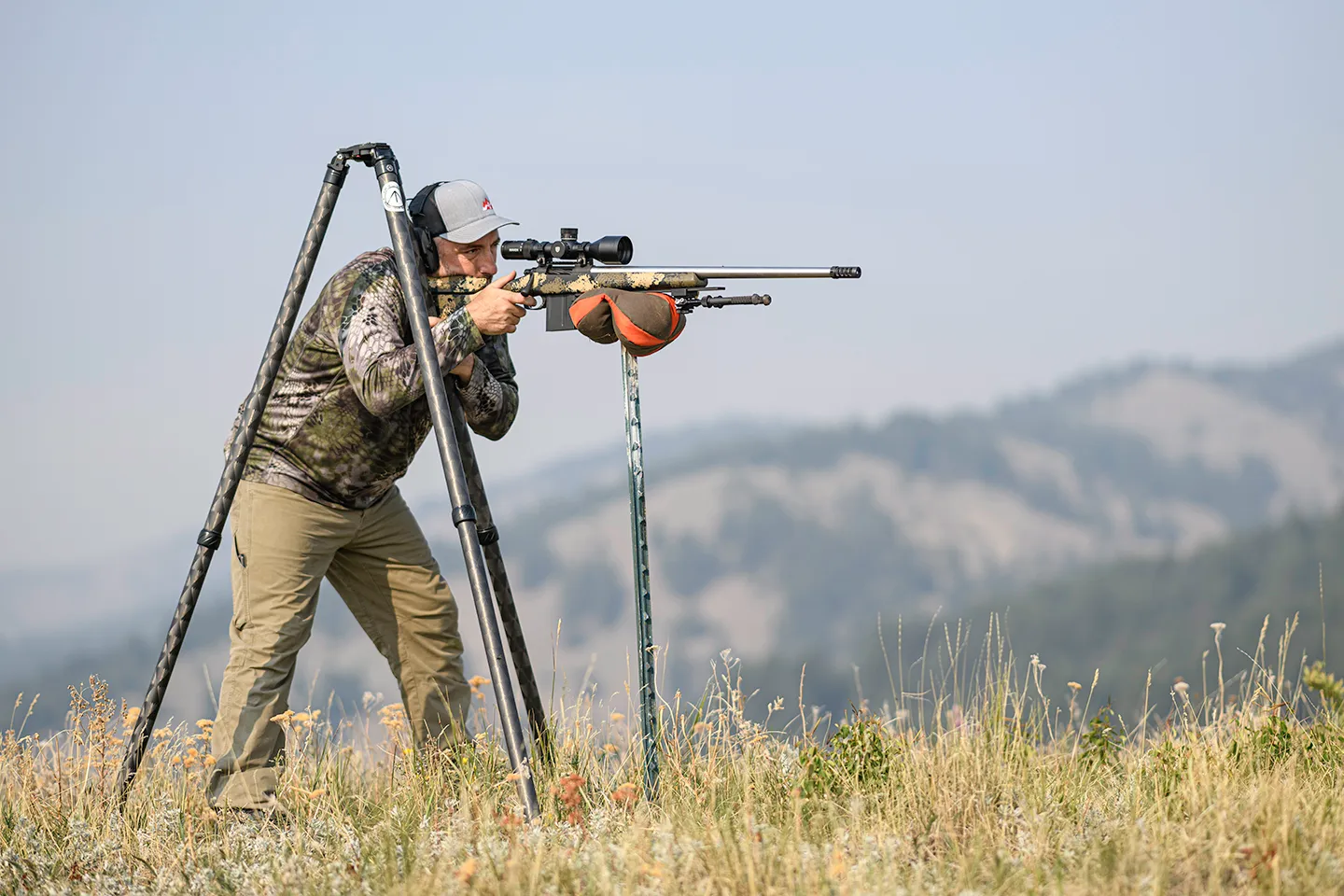


Three hundred yards. That’s the difference between a clean, ethical shot and a wounded animal that vanishes into the treeline. I’ve watched seasoned hunters blow that distance—not because they couldn’t shoot, but because they were using a whitetail strategy on an elk. It’s a costly mistake. Hunting isn’t about finding a single “best” technique and forcing it to fit every scenario. It’s about matching the method to the animal’s psychology. A mature mule deer buck relies on its eyes. A black bear follows its nose. A tom turkey uses every sensory weapon it has. If you treat them the same, you go home empty-handed. So, let’s strip away the marketing hype and the one-size-fits-all advice.
Here is exactly how to align your approach—spot-and-stalk, ambush, or calling—with the specific game you’re after this season.
Why Matching Technique to Game Matters More Than Gear
You can own the finest rifle, the quietest bow, and the most advanced camouflage on the market. None of it matters if you’re applying the wrong tactic.
Wild animals survive by exploiting their strengths. A pronghorn can spot movement from over a mile away. A whitetail buck can wind you from 400 yards downwind. A turkey’s eyesight rivals that of a hawk.
When you choose a technique that plays against those strengths, you fail before you begin. When you choose a technique that exploits their weaknesses, you stack the odds in your favor.
Here is the foundational truth: successful hunting is applied biology.
Spot-and-Stalk: The Open-Country Game Changer
What Is Spot-and-Stalk Hunting?
Spot-and-stalk is exactly what it sounds like. You locate game from a distance using optics, then plan and execute a stealthy approach to get within ethical shooting range.
This method demands physical fitness, wind discipline, and exceptional terrain reading. It is not a lazy man’s game.
How to Execute Spot-and-Stalk Effectively
- Glass from elevation. Start before first light. Use 10x or 12x binoculars on a tripod to scan basins, ridges, and benches.
- Identify the wind before you move. Check with a wind indicator—milkweed pod, powder bottle, or even dry grass. The wind must stay in your face or quartering.
- Use terrain to break up your silhouette. Move through washes, behind ridges, and use shadows. Never skyline yourself.
- Slow down. I’ve closed 800 yards on a bedded mule deer by moving one step every thirty seconds. Speed is your enemy here.
- Make the final approach when the animal is distracted. Wait for it to feed behind a bush, turn its head, or lie down.
Actionable Insight: In my experience, 80% of spot-and-stalk failures happen because hunters abandon their glassing position too early. Commit to glassing an area for a full 45 minutes before moving. Animals often reveal themselves after the initial scan.
Ambush Hunting: The Woodland Specialist
Tree Stands and Ground Blinds
Ambush hunting relies on intercepting game along predictable travel routes. You establish a concealed position and wait for the animal to come to you.
This technique plays to the hunter’s advantage in dense cover where long-distance visibility is limited.
Setting Up a High-Probability Ambush
- Access without detection. Walk in using a circuitous route that avoids crossing game trails. Enter your stand when the wind is favorable.
- Control your scent. This is non-negotiable. Wash gear in scent-free soap. Play the wind. Use scent-eliminating sprays. In whitetail hunting, you are either upwind or you are busted.
- Minimize movement. A tree stand keeps you above eye level. A ground blind requires blacked-out interiors and slow motion when game approaches.
- Know your shot windows. Trim shooting lanes before the season. Identify exactly where the animal will appear and where your arrow or bullet will travel.
Actionable Insight: The single most common mistake I see with ambush setups is poor entry and exit routes. You can have the perfect stand over a buck highway, but if you walk through the bedding area to get there, you’ll never see mature deer. Map your access route weeks before the season. And here is something most hunters overlook: what you carry matters just as much as how you carry it. A Gamechanger Bag designed specifically for scent-controlled gear organization allows you to transport your clothing, calls, and optics without contaminating them before you even hit the treeline. Loading up a dedicated system that separates clean gear from travel clothes eliminates the last variable that so often blows a setup before first light.
Calling and Decoying: Engaging the Social Species
The Psychology Behind Calling
Some animals respond to calls because they are social. Others respond out of aggression, curiosity, or breeding instinct. Effective calling requires understanding why an animal chooses to approach a sound.
How to Call Without Educating Game
- Start subtle. Beginners over-call. With elk, two or three soft cow chirps every 20 minutes outperforms constant calling.
- Read the response. If a bull bugles back but doesn’t move, he’s either with cows or suspicious. Back off and reposition downwind.
- Use decoys as a visual anchor. Turkeys need to see something they trust. Place a hen decoy 15 yards from your blind. Add a jake decoy during the late season to trigger dominance aggression.
- Call less on pressured public land. Overcalled areas produce animals that associate calling with danger. Switch to locator calls (howls, crow calls) to pinpoint animals without spooking them.
Actionable Insight: I’ve watched hunters call relentlessly for an hour with no response, then pack up only to see a bull standing 200 yards away staring at them. If an animal answers your call once and goes silent, it is likely circling downwind to identify you. Do not stay put. Relocate quickly.
Still-Hunting: The Art of Moving Slowly
Defining Still-Hunting
Still-hunting is not sitting still. It is moving through hunting grounds at an excruciatingly slow pace—three to five steps, then a long pause—to detect game before it detects you.
Best Applications for Still-Hunting
- Pressured whitetails in thick cover. After the first week of gun season, deer retreat to sanctuaries. Still-hunting allows you to slip in where stands cannot go.
- Squirrel hunting. This is the classic application. Pause at the base of oak and hickory trees, listening for cutting sounds or movement.
- Late-season big game. When rut activity winds down, animals become more diurnal and less predictable.
Still-Hunting Fundamentals
- Move into the wind. Always. If the wind shifts, change your direction.
- Use your eyes more than your feet. Look for the horizontal line of a back, the flick of an ear, or the shine of an eye before you take your next step.
- Pause longer than feels comfortable. The ideal cadence: move 5–10 yards, then stand motionless for 2–5 minutes. Animals often freeze when they sense something; your movement will reveal them during the pause.
- Keep your firearm or bow ready. When you spot an animal, the distance is often close—sometimes inside 20 yards.
Predator Hunting: A Hybrid Approach
Predator hunting, particularly for coyotes and foxes, blends calling, concealment, and terrain analysis. It deserves its own category because the techniques differ from traditional big game methods.
Core Strategy for Coyotes
- Use electronic calls with remote controls. Hand calls work, but e-callers allow you to place the sound away from your position.
- Set up with the wind in your face and the sun at your back. Coyotes will attempt to circle downwind of the sound source.
- Conceal yourself in natural terrain breaks. A brush line, rock outcropping, or even a slight depression makes the difference.
- Call in sequences. Start with a lone howl to locate. Transition to distress sounds (rabbit, rodent) in 20-minute sets. If nothing responds, move at least a half-mile before trying again.
Actionable Insight: Most hunters call for 10 minutes and leave. The most successful predator hunters stay on stand for 30 to 45 minutes. Coyotes often hang up outside shooting range, waiting to see movement. Patience wins.
How to Choose the Right Technique for Your Situation
Here is a simple framework to guide your decision before you leave the truck:
Ask These Three Questions
- What is the terrain?
- Open, mountainous, or high desert → Spot-and-stalk.
- Dense woods, agricultural edges, or river bottoms → Ambush.
- Mixed cover with defined edges → Still-hunting.
- What is the species’ primary defense?
- Vision-dependent (pronghorn, mule deer, turkey) → Use concealment and terrain.
- Scent-dependent (whitetail, bear) → Control wind and access.
- Hearing-dependent (elk, waterfowl) → Use calls strategically.
- What is the hunting pressure level?
- Low pressure → Any technique can work.
- High pressure → Avoid overused methods. Still-hunt away from roads. Call less. Access areas others ignore.
Frequently Asked Questions
What is the most effective hunting technique for beginners?
Ambush hunting from a ground blind is typically the most effective for beginners. It minimizes movement, contains scent, and allows new hunters to focus on shot placement rather than stealthy movement. Turkey hunting with a ground blind and decoys offers high action and clear shot opportunities.
How do I know if spot-and-stalk is right for my area?
Spot-and-stalk works best where you have long sightlines and the ability to glass without being detected. If your hunting area has rolling hills, mountain basins, or prairie flats where you can see over 200 yards, spot-and-stalk is viable. If you hunt thick eastern hardwoods, ambush or still-hunting will produce better results.
Can I combine multiple hunting techniques in one day?
Absolutely. A common western strategy is to spot-and-stalk in the morning, then set up a waterhole ambush in the afternoon. Eastern hunters may still-hunt to a pre-set tree stand. The key is ensuring each technique is executed properly—don’t rush from one to the other without resetting your approach, wind, and concealment.
What is the best hunting technique for pressured public land?
Still-hunting and deep-woods ambush setups consistently outperform road-accessible stands on pressured public land. Walk at least one mile from access points. Use terrain to your advantage—hunt the places other hunters overlook, such as thickets, drainages, and areas with difficult access.
How important is scent control across different techniques?
Scent control is critical for any technique involving white-tailed deer, bears, or any animal that relies heavily on olfaction. For spot-and-stalk, wind management matters more than scent-elimination products. For ambush hunting, both wind direction and scent control are equally vital. For turkey and waterfowl, movement and visual concealment take priority over scent.
Conclusion
Hunting success isn’t about finding one magic technique. It’s about building a toolkit and knowing exactly when to use each tool.
A spot-and-stalk hunter who tries to ambush elk in open country will go home frustrated. A treestand whitetail hunter who still-hunts during the rut might never see the buck cruising through his shooting lane.
Match the method to the game. Respect the animal’s strengths. Exploit its weaknesses.
This season, before you lace up your boots, ask yourself: What is the animal telling me about how I should hunt it? The answer is almost always in the terrain, the wind, and the behavior right in front of you.
Of course, even the best technique falls flat without reliable gear that performs when it matters. Before your next outing, take inventory of your setup. If you are missing the right firearm, optic, or ammunition to execute the tactics we have covered, a quick search for Gun Stores Near me will connect you with local experts who can help you dial in your equipment before the season opens. Supporting local shops also gives you access to hands-on advice that no online retailer can replicate.
Because the truth is this: technique puts you in the game. Preparation keeps you there.
Subscribe to unlock premium content
Sed at tellus, pharetra lacus, aenean risus non nisl ultricies commodo diam aliquet arcu enim eu leo porttitor habitasse adipiscing porttitor varius ultricies facilisis viverra lacus neque.
Why Is Choosing the Right Precision Shooting Equipment Crucial for Shooters?

10 Productivity tools that are worth checking out

Top 7 Must have management tools for productivity

Why Is Choosing the Right Precision Shooting Equipment Crucial for Shooters?
10 Productivity tools that are worth checking out
Why Is Choosing the Right Precision Shooting Equipment Crucial for Shooters?
.png)